Interview
Tanzana: The Making of Etched In
The Glasgow five-piece discuss the influences behind their debut EP, the recording decisions that changed some of its tracks, and taking their music beyond their home city.
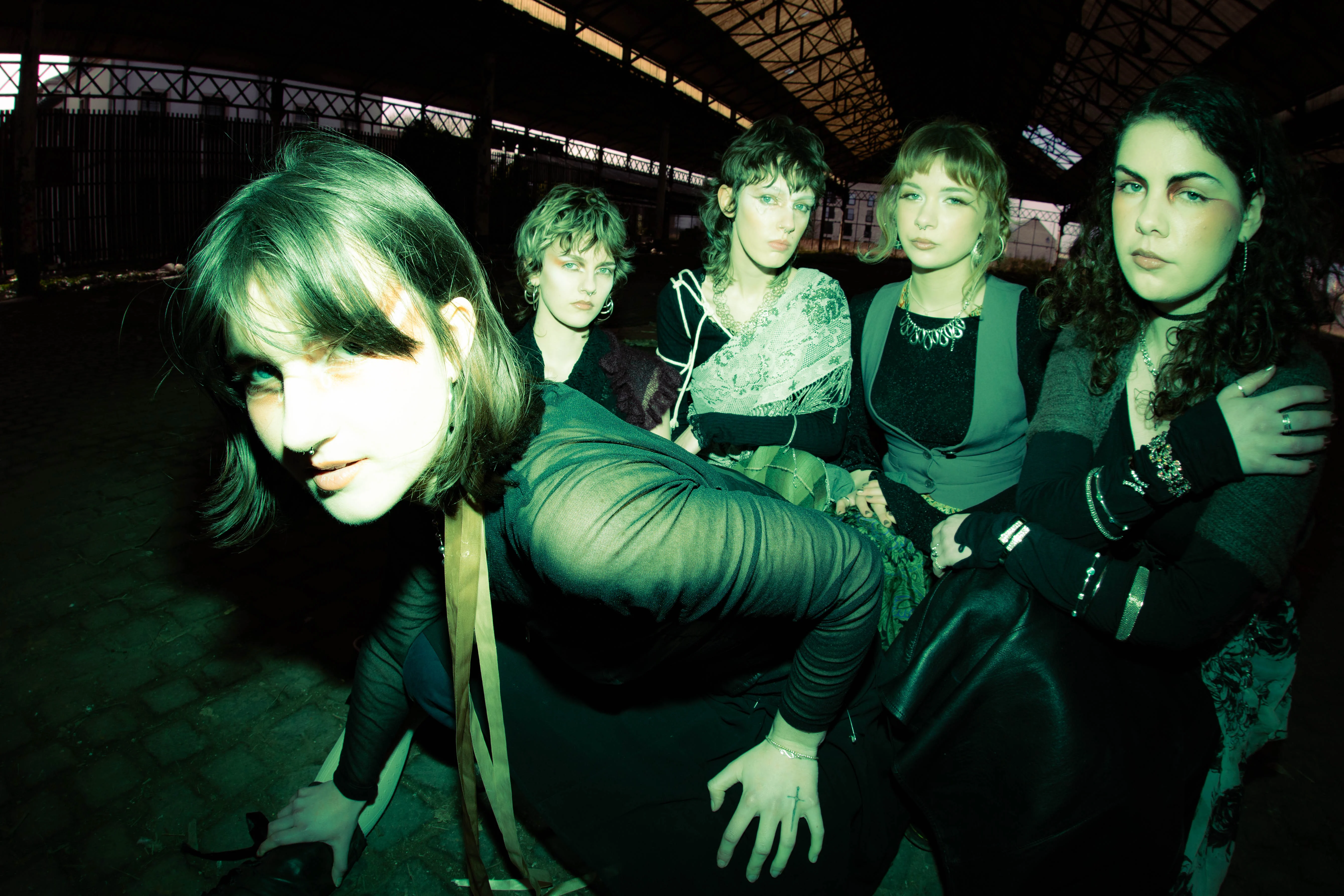
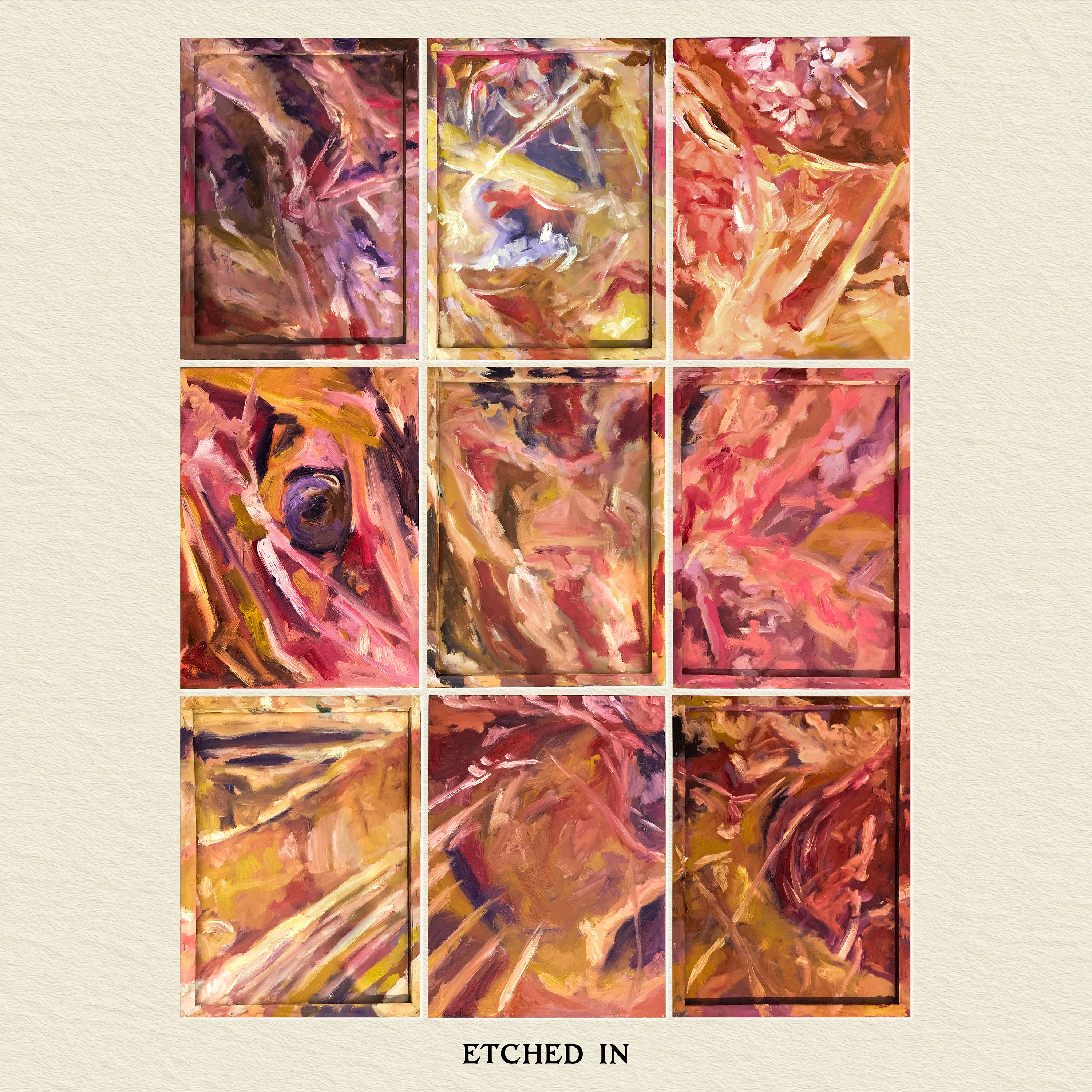
For Tanzana, making their debut EP Etched In meant looking at songs written at different stages of their development and deciding what they could become with a fresh perspective. Released on 9 October through SO Recordings and Hideous Mink Records, the six-track collection brings together alternative rock, trip-hop and atmospheric guitar work, with the five-piece continuing to explore the different sounds that shape their music.
Formed in 2023 after entering a school Battle of the Bands competition, Tanzana have since progressed to headline shows and support slots across the UK. Their early releases established a sound built around contrasting dynamics, with heavier passages sitting alongside more restrained arrangements. Etched In gives them room to push those contrasts further.
Their influences extend beyond the artists listeners might immediately associate with their sound. Massive Attack, Radiohead and PJ Harvey offer obvious reference points, but guitarist Sarah Dunn points towards a different source when discussing the music that feeds into their writing. “There are so many influences to our music and they change often,” she explains. “Sometimes we find new bands or artists and it can send us down rabbit holes to discovering new and exciting music that then later inspires us when writing.”
One influence listeners might not expect is Big Thief. Although the American band are often associated with indie folk, Dunn hears elements that translate into Tanzana’s own arrangements. “Particularly with the guitar melodies and picking patterns they are a big influence on us. Vocally too,” she says. “Sometimes we are just inspired by a vibe and Big Thief definitely have a darker and heavier side to their music we like to take influence from alongside their lighter music.”
That willingness to draw from different places becomes more apparent across Etched In. Rather than treating the EP as a collection of songs that simply needed recording, the band used the studio to reconsider material they thought was already finished.
Drummer Karolina Skinderskyte credits producer Richie Kennedy with helping them approach the sessions more openly. Some tracks arrived in the studio with their arrangements largely settled, but working with Kennedy encouraged the band to experiment with new parts and reconsider what each song needed.
The clearest example was ‘This Love’, the EP’s closing track. Instead of adding layers to make the song bigger, the band took the opposite approach. “Instead of adding more, instead, we actually stripped it right back and created a track that was a bit different to our previous ones however quickly became our favourite,” Skinderskyte says.
The sessions also gave them an opportunity to explore the trip-hop influences that sit alongside their rockier material. On ‘You Bite, I Bleed’, electronic elements became a more prominent part of the arrangement, with the track gradually building towards a heavier ending.
Bassist Katie Hare explains that the song was written around two years ago, while ‘Astar’ was composed specifically with the EP in mind. Despite their different origins, both tracks earned their place on the record because they reveal contrasting sides of the band’s sound. “‘Astar’ was written with the EP in mind and was an aim to have fun while also creating an atmosphere,” Hare says. “‘You Bite, I Bleed’ was written two years ago however I think this track still heavily aligns with our sound and when recording allowed us space to lean into the trip-hop side of our influences.”
She describes the tracks as complementary in their differences. ‘You Bite, I Bleed’ is “intricate and interweaving until the heavy ending”, while ‘Astar’ is “punchy and more aggressive”. Together, they demonstrate the range Tanzana wanted the EP to capture, without making the collection feel disconnected.
The recording process also changed the way the band approach writing collaboratively. Hare says they would usually prefer to have songs close to completion before performing them live or entering the studio. ‘This Love’, however, began the sessions as a collection of ideas rather than a finished arrangement.
“We have now embraced this fluidity and it has allowed us to write more freely,” she says.Katie Hare
That shift has given them greater freedom to experiment without losing sight of the material’s origins. For Hare, the songs remain representative of the periods in which they were written, even when the studio offered new ways to present them.
Lyrically, Tanzana also move between personal experiences and subjects that can resonate beyond the person writing them. Vocalist Freya Talbot approaches songwriting by starting with particular experiences, but allows those details to connect with something broader.
“I tend to pick at certain specific experiences but they often cloud into one universal experience,” she explains. “Although it is personal I also look at experiences outside of my own in hopes it will allow the audience to relate deeper.”Freya Talbot
That balance between individual perspective and wider connection carries into their live performances. Having played festivals including TRNSMT and The Great Escape, the band have had opportunities to introduce their music to audiences beyond Glasgow. Skinderskyte says the different sides of their sound help the songs appeal to listeners who might not ordinarily seek out heavier music.
She points to ‘Without A Sound’ and ‘Covet’ as particularly effective live tracks, with their stronger rock influences offering a contrast to the band’s more atmospheric material. ‘This Love’ has taken on a different role in the set, opening the performance with a build towards its climactic ending.
The band’s development has also been shaped by Glasgow itself. Guitarist Lily Findlay credits the local scene with giving Tanzana the support and opportunities to develop, singling out King Tut’s Wah Wah Hut and McChuills as venues that have played a significant part in their progress. “King Tuts was the place that helped us to get a foot in the door and get noticed as a band,” she says. The group have played there several times and hosted their own night at the venue. McChuills holds a different significance, having hosted their first sold-out self-promoted headline show.
Both venues have provided opportunities to perform, but also places to watch other artists and remain connected to the city’s music community. For a band whose influences continue to shift, that exposure to other performers feeds directly into their own development.
Their recent run of shows with Madra Salach has offered another opportunity to take that experience further. Looking back on the tour, Talbot singles out their London appearance at the Electric Ballroom as a highlight, drawing a comparison with one of Glasgow’s most celebrated venues. “It reminded us lots of Barrowlands back in Glasgow which is a dream of ours to play so this felt like we were getting one step closer!” she says. “It was a buzz, an amazing way to end tour with Madra Salach!”
With Etched In now released, Tanzana are already turning their attention towards what follows. The remaining shows will take them into winter, while the band begin working on new material for their next project. Findlay admits that starting again brings its own uncertainty, even with a debut EP now behind them.
“We have been excited to begin our next project but it has also been a bit daunting,” she says. “But being on tour, travelling, playing live and watching bands play inspires us so much so we are looking forward to getting stuck in and seeing where the next chapter will lead us.”Lily Findlay
Tanzana’s strength lies in the contrast between the heavier edges of their music and its more restrained passages, drawing on influences that extend well beyond alternative rock. On Etched In, those different elements let the band explore contrasting moods without settling into a single direction.
What makes Etched In worth spending time with is that Tanzana don’t rely on one idea to carry the record. The more restrained moments are just as important as the heavier ones, and the willingness to let songs take different directions gives the EP its character. It’s an encouraging debut from a band with a clear musical curiosity, and one that gives us reason to pay attention to what they do next.