Album Review
Dead Poet Society, ‘Monarch’ Review: When the Familiar Starts to Feel Wrong
Words by The Pit Standard
Dead Poet Society make alternative rock sound distinctly uneasy on Monarch. Guitars bend into unfamiliar shapes, basslines take on a rubbery, almost unnatural movement, and Jack Underkofler shifts between distorted vocal textures, spoken delivery and enormous melodic choruses. The band’s third album builds on the weight of FISSION but takes greater risks with the details, creating music that can be immediately catchy and deeply disconcerting at the same time.
Rating: 5/5 stars
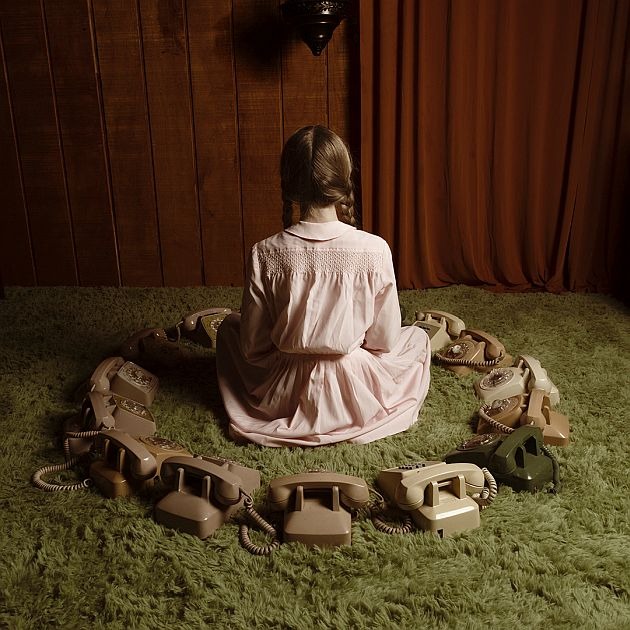
Monarch
Artist: Dead Poet Society
Release date: 2026-10-02
Label: Spinefarm Records
‘Hollywood On Fire’ sets the tone with wavering vocals and wiry guitar sounds that seem to pull against the rhythm. Underkofler’s delivery is deliberately peculiar, giving the opening an almost childlike quality before the bass drops into a heavier groove. The transition changes the character of the track completely. Instead of opening with a conventional statement of intent, Dead Poet Society establish an atmosphere that feels difficult to settle into, and all the more compelling for it.
‘Roach’ takes that unease into heavier territory. A rigid drum pattern locks the track into place while the bass moves around it, creating a groove that feels almost predatory. Underkofler begins in a spoken register before the guitars crash in, turning the restrained opening into a forceful burst of alternative rock. The change is sudden, but the band make it feel integral to the song rather than a breakdown added for impact.
‘Die If You Don’t’ maintains the momentum, with jagged guitar work that exposes the physical character of the instrument. Dead Poet Society’s use of fretless seven-string guitars gives the music an unusual tonal quality, allowing notes to slide and shift in ways that conventional rock guitar rarely accommodates. The technique is not a novelty here. It shapes the tension of the arrangements, giving the riffs an unstable quality even when the rhythm section is locked firmly in place.
On ‘Sinner Systems’, the band turn that musical restlessness into something more immediately infectious. The bouncing rhythm makes the song easy to latch onto, while its lyrics address pornography, gaming and the digital habits that consume attention. The contrast between the track’s lively arrangement and its less comfortable subject matter gives it an edge that a more straightforward rock anthem would lack. An atmospheric electronic passage towards the end takes the song somewhere unexpected without undermining its central groove.
‘Lost’ provides the album’s most significant change of pace. The arrangement opens up, leaving space around Underkofler’s vocals before gradually building towards a heavier, cathartic conclusion. The restraint matters. After several tracks driven by jagged riffs and abrupt shifts, the song allows vulnerability to remain exposed rather than immediately disguising it with volume. Its emotional impact comes from that gradual development, making it one of the album’s strongest moments.
‘Cold’ approaches the balance between melody and discomfort from another direction. Its lurching verses give way to a huge chorus, but the song’s central concern is the pressure to become the person other people want you to be. The more accessible arrangement makes that subject especially effective. The chorus invites a full-volume response, while the lyrics question the need for outside validation and the loss of identity that can follow. It is one of the clearest demonstrations of the band’s ability to write a rock song with genuine scale without losing its underlying tension.
The middle section keeps the album moving between different shades of darkness. ‘Psalm 136’ adds to the atmosphere, while ‘Dead On The Inside’ maintains the tension without simply repeating the opening tracks. The sequencing gives the record room to develop rather than relying on a constant escalation in heaviness.
‘Miami For The Weekend’ brings a more direct rock ‘n’ roll energy, built around a jangling guitar riff and a sense of resentment beneath its hedonistic surface. It is one of the album’s most immediate tracks, and its relative simplicity works in its favour. After the more experimental passages, the song provides a reminder that Dead Poet Society can make a conventional guitar arrangement feel fresh through performance alone.
‘Get Hot’ takes the pace in the opposite direction. Will Goodroad’s drumming drives the track forward at full force while the bass and guitars move rapidly around one another. The arrangement feels almost impatient, pushing towards the next change before the previous one has fully settled. It is an exhilarating burst of energy, and the band’s tight playing prevents the speed from turning into mere noise.
‘The Park’ is a different kind of highlight. The opening establishes an ominous atmosphere before layered vocals and heavier instrumentation begin to emerge. Its progression feels cinematic, but the tension comes from the way the parts accumulate rather than from an oversized climax. The result is one of the album’s most unsettling tracks, demonstrating how effectively the band can use restraint as well as force.
Closer ‘The Art Of Suffering’ brings the record to a more reflective end. Solemn, ringing guitar notes give the arrangement space, while the heavier passages carry the emotional weight without overwhelming the song. After an album that repeatedly distorts familiar rock structures, the closing track feels deliberately measured. It leaves the listener with the music’s darker themes still unresolved, which suits a record that has spent its running time questioning easy answers.
The production gives Monarch the weight it needs without smoothing away the qualities that make it distinctive. The low end feels physical, the guitars retain their unusual movement, and the electronic details are integrated into the arrangements rather than pasted over them. Across the tracklist, Dead Poet Society make effective use of contrast: a massive chorus can follow a strange vocal passage, while a familiar groove can lead into an unexpected change in texture.
What makes the album such a strong piece of work is the consistency of its identity, not the consistency of its sound. The band move between heavy alternative rock, electronic experimentation and more vulnerable songwriting, but the tension running through those different approaches holds them together. The hooks are memorable, the musicianship is inventive, and the stranger ideas rarely feel like distractions from the songs themselves.
Monarch finds Dead Poet Society making their music more adventurous without sacrificing its immediacy. The result is an album that rewards close listening while still delivering the kind of choruses that demand to be heard at full volume. It is their most convincing statement yet, and a record that gives modern alternative rock a sharper, less predictable edge.