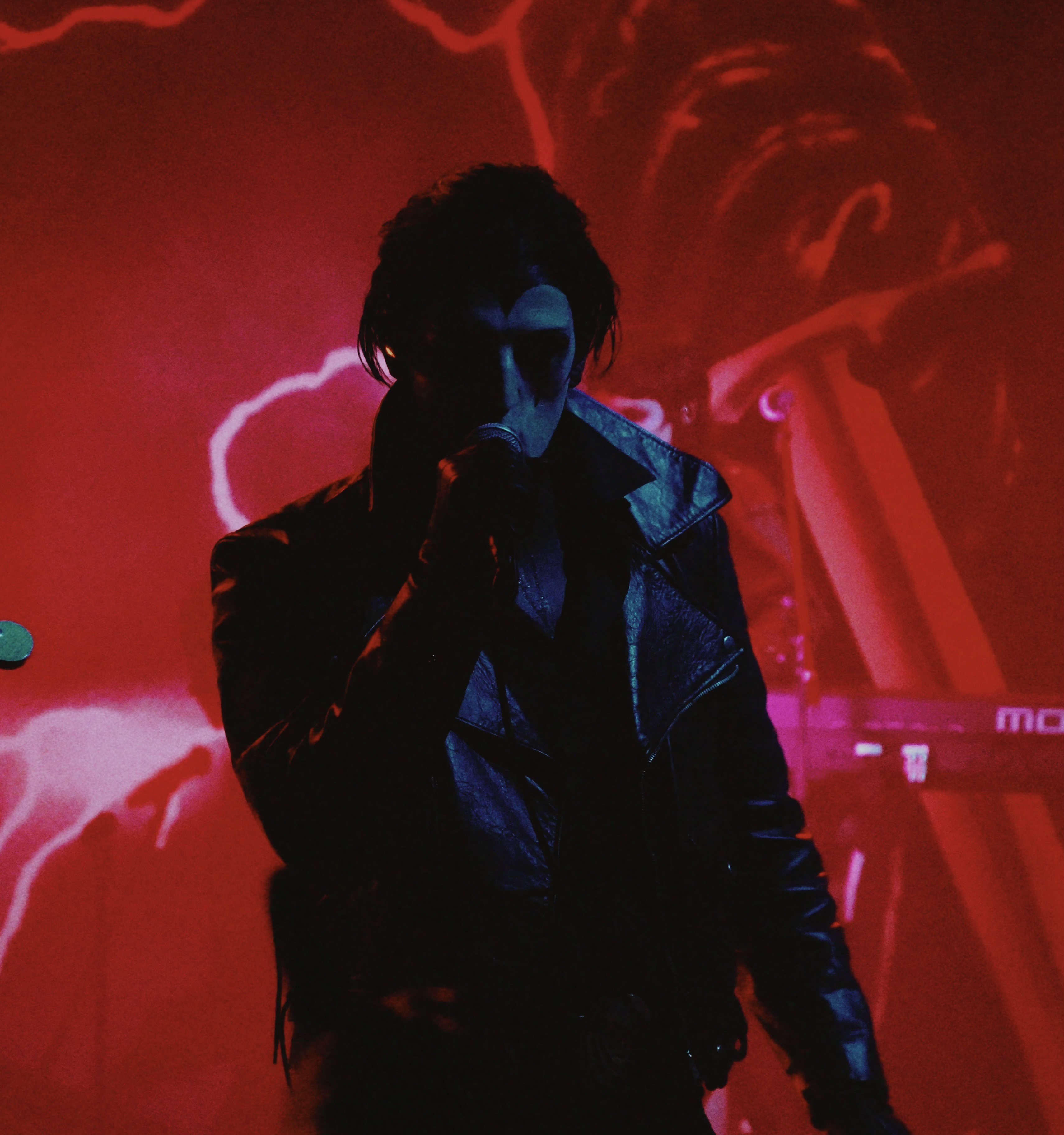
Album Review
Fontaines D.C., ‘Dopamine Chamber’: The Strange Comfort of Disappearing
Words by The Pit Standard
Fontaines D.C. have made a record about the ways we try to escape ourselves, then built the music to make that escape sound seductive. On Dopamine Chamber, screens, desire, fantasy and emotional detachment offer routes out of a world that feels increasingly difficult to inhabit. The catch is that none of them provides much relief. Across their fifth album, the Dublin band turn that contradiction into a compelling source of tension, making music that draws you in even as it questions the things we reach for to feel better.
Rating: 4.5/5 stars
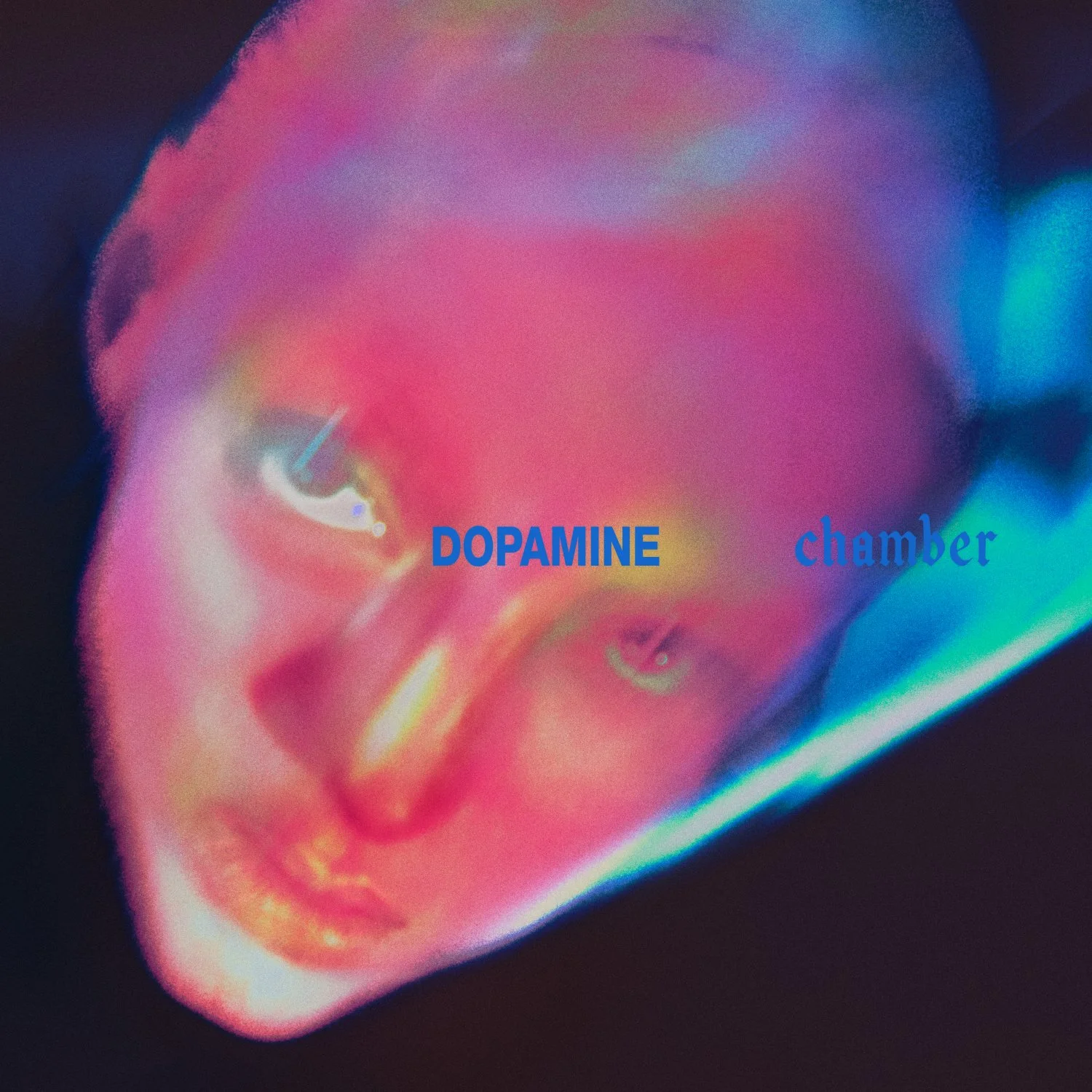
Dopamine Chamber
Artist: Fontaines D.C.
Release date: 2026-10-16
Label: XL Recordings
Listen to Dopamine Chamber on SpotifyThe shift from the wiry urgency of Dogrel to the expansive, carefully constructed sound of Romance has been gradual, but this is the point where Fontaines D.C. commit fully to a different set of possibilities. Guitars no longer have to lead the way. Synthesizers, programmed rhythms and orchestral arrangements carry much of the weight, while Grian Chatten moves between an intimate murmur and a voice that sounds increasingly distant from the people listening to it. The band’s identity remains recognisable, but its familiar elements are being put to different uses.
“Six Shot Morning” establishes the mood through electronic repetition rather than a conventional guitar-led entrance. Futuristic synths and an imposing bassline give the track a cold, deliberate pulse, creating space for Chatten’s observations about the digital world and its emptiness. It is an effective opening because the music doesn’t simply illustrate the subject. Its insistence begins to resemble the machinery it is examining, a cycle that keeps moving regardless of whether anyone feels better for being caught inside it.
“Marianne” takes a different route. Woozy guitars, feather-light synths and a heavier drum pattern give the track an unsettling romanticism, while Chatten’s restrained delivery makes it feel more vulnerable than its arrangement initially suggests. Affection and unease occupy the same space. The song’s invitation to disappear carries an uncomfortable ambiguity: escape might offer relief, but it also means surrendering to someone else’s version of reality. It is one of the album’s most immediately affecting tracks because its beauty never quite settles into comfort.
On “Mimesis”, imitation and identity become harder to separate. Its synth-pop groove has an almost infectious lightness, but the lyrics turn towards depression and the repetitive routines that leave people feeling trapped. That contrast is central to the album’s appeal. The music can be inviting even when its subject matter is bleak, drawing the listener into the same cycle of stimulation and dissatisfaction that Chatten appears to be questioning.
“Happy For You” brings the focus to a relationship coming apart. Spindly guitars and a metronomic rhythm give way to a more abrasive release, reflecting the distance between what people say and what they actually feel. Fontaines D.C. are particularly good at this kind of contradiction. Chatten rarely presents an emotion as a settled fact; he sounds like someone negotiating with it, sometimes convincing himself as much as the listener.
“Demolition” brings a grungier edge to the record. Fuzzy electronics, distorted guitars and forceful drums give it a rougher character than the more polished synth-led tracks, while Chatten’s delivery becomes increasingly confrontational. The song blurs the boundary between pleasure and discomfort, making destructive behaviour sound both inviting and repellent. It also provides one of the album’s more forceful departures from its carefully controlled atmosphere.
“Tongue” moves in the opposite direction, settling into a heavy, slow-burning trip-hop groove. Nervous electronic details sit against a weighty drum pattern, with a piano figure interrupting the track’s uneasy momentum. Chatten’s delivery adds to the sense of agitation, as though the music is struggling to contain a thought that keeps returning. The song gives the album a different kind of physicality, proving that its electronic direction doesn’t depend on constant speed or a wall of sound.
“One Man” is among the album’s strongest moments. Strings and keyboard textures establish an exposed, almost suspended atmosphere before acoustic guitar and drums gradually enter. Chatten’s vocal sits prominently within the arrangement, lending the song a sense of isolation that grows rather than arriving fully formed. Its emotional force comes from that gradual change in scale. Fontaines D.C. allow the arrangement to develop around the voice instead of demanding that every feeling be made monumental.
“Where Is Gone?”, featuring Rosalía, is a striking meeting of two distinct vocal identities. The orchestral arrangement gives the track a cinematic scale, while the contrast between Chatten’s darker delivery and Rosalía’s more lucid vocals keeps the song from becoming simply another showcase for his brooding persona. Their exchanges suggest a relationship caught between attraction and harm, with neither voice offering a straightforward way out. It is an unexpected pairing that works because the tension between them remains intact.
“You Miss Me” shifts between shadowy, guitar-led passages and a more open chorus, bringing a recognisable alternative-rock sensibility into the album’s electronic palette. Its melodic pull sits uneasily alongside the darker mood, giving the song a sense of emotional instability. The contrast is effective, although it also highlights how much of the album relies on carefully managed changes in atmosphere. At times, the production is so conscious of its own design that the songs feel held at a distance.
“Japan” offers a more bittersweet kind of release. Its dream-pop character and acoustic guitar give it a gentler surface, but the song’s treatment of a one-sided relationship complicates that apparent softness. The warmth of the melody sits against the discomfort of its subject, making it one of the album’s more revealing contrasts. Fontaines D.C. do not need to make every feeling monumental, and this track is strongest when it lets the vulnerability sit alongside the unease.
“Intimate” closes the album with a collision of the band’s older instincts and the electronic language they have developed. Discordant textures, synths and battering drums create a restless, unsettled finale, while Chatten returns to the subjects of mortality and beauty. Rather than offering resolution, the track leaves the listener inside the album’s central tension: the desire for closeness in a world that makes genuine intimacy difficult to sustain.
The title Dopamine Chamber suggests a space designed to keep us reaching for the next hit of stimulation. The album’s strongest songs understand that the problem is not pleasure itself, but how easily distraction becomes a substitute for connection. Fontaines D.C. approach that idea through relationships as much as technology, tracing the ways people can seek validation, imitate one another or retreat into fantasy when the world outside feels too demanding. The personal and the societal never sit entirely apart.
The record does occasionally mistake atmosphere for development. Some of its ideas linger longer than they need to, and the immaculate production can smooth away the roughness that once made the band feel so immediate. That reservation matters, particularly on an album whose themes concern the deadening effect of repetition. But it never outweighs the achievement. The best tracks use that sense of enclosure deliberately, making the listener feel the pull of the very things the album questions.
Fontaines D.C. are no longer trying to prove they can write a great post-punk record. Dopamine Chamber is more interested in what happens when the conventions that once defined them are no longer enough. Its electronic turn is not a departure for the sake of reinvention, but a way of examining a world where stimulation is constant and genuine connection feels increasingly difficult to hold onto.
At 4.5/5, this is an ambitious, often beautiful record that occasionally becomes too enamoured with its own design. Its imperfections keep it from feeling entirely complete, but its best songs linger because they understand that escape and freedom are not the same thing. Fontaines D.C. have made an album that offers the seduction of disappearance while quietly asking what, exactly, we hope to leave behind.
Artist: Fontaines D.C.