Pixies Release Four Rare Recordings, Including Steve Albini’s Early Version of ‘Dig for Fire’
Four archival tracks offer a closer look at the band’s recording sessions between 1987 and 1991, including songs that took very different routes before finding their way to listeners.
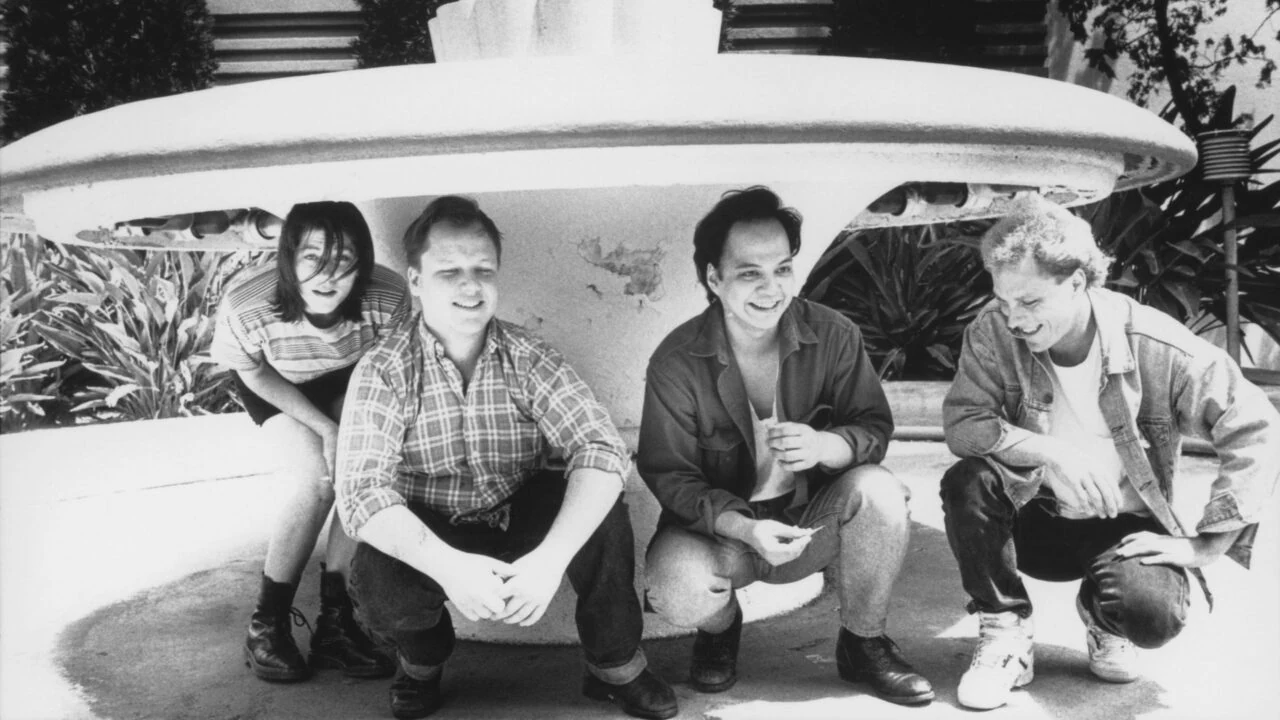
Pixies have opened up their archives with four previously hard-to-find recordings, including an early version of ‘Dig for Fire’ produced by Steve Albini.
The four tracks, ‘Go Man Go’, ‘Dig for Fire (Albini Version)’, ‘Brackish Boy’ and ‘Punk Loop’, were previously included on limited-edition seven-inch singles accompanying remastered editions of Bossanova and Trompe le Monde. They are now available digitally.
The most intriguing addition is ‘Dig for Fire (Albini Version)’. Recorded in late 1987 during the sessions for Surfer Rosa, it predates the familiar version by almost three years. The song eventually appeared on 1990’s Bossanova, but this earlier recording captures it at a different stage of its development.
Albini’s connection with Pixies is an important part of the band’s recording history. His production on Surfer Rosa helped capture the abrasive guitars, unpredictable dynamics and raw energy that made the album such a distinctive release. Hearing his approach applied to a song that would later appear on another record makes this version particularly interesting.
‘Go Man Go’ has its own unusual history. Co-written by Black Francis and Kim Deal, it was recorded during the Bossanova sessions but didn’t make the final album. The Breeders also recorded the song around the time of Last Splash, although their version was initially left off that record. It eventually surfaced on the album’s 30th-anniversary edition in 2023. Now, the original Pixies recording is getting a wider release.
The remaining two tracks take listeners into the Trompe le Monde period. ‘Brackish Boy’ is an early version of a song Black Francis later revisited for his 1993 solo debut as Frank Black, while ‘Punk Loop’ comes from the 1991 sessions for Trompe le Monde.
What makes this collection worth investigating is the different lives these songs have had. Some were reworked, others shelved, and a few eventually resurfaced in entirely different contexts.
For fans, it’s an opportunity to hear beyond the finished albums and into the decisions, experiments and discarded ideas that shaped them. Not every recording needs to become a lost classic to be worth hearing. Sometimes the appeal is simply discovering what was happening before the final version made it onto the record.
All four recordings are available now on streaming platforms and via the band’s official Bandcamp.